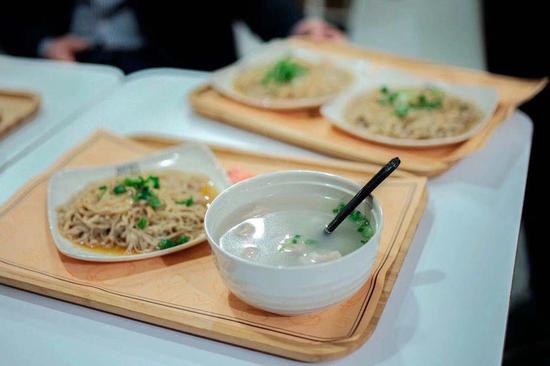
Shaxian Delicacies
Introduction
Shaxian delicacies, a renowned culinary tradition originating from Shaxian county in Fujian province, China, has gained widespread popularity both domestically and internationally. It is famous for its variety of traditional Chinese snacks, such as peanut sauce noodles, pork wontons, and steamed dumplings. With its roots in the rich culinary heritage of Fujian province, Shaxian Delicacies has evolved into a significant local industry, characterized by its affordable yet delicious offerings that have captivated taste buds worldwide.
History
Origin
The origin of Shaxian delicacies can be traced back to Shaxian county in East China's Fujian province. This culinary tradition is deeply embedded in the local culture. The dishes were traditionally sold at food stalls throughout the region, as people from the county traveled afar for work, spreading their unique snacks to other parts of China and beyond.
Development Over Time
Over the decades, Shaxian delicacies has transformed from small local food stalls into a thriving industry with a substantial presence both within China and internationally. The establishment of the Shaxian delicacies trade association in 1997 and the registration of its trademark in 2014 have played pivotal roles in preserving the authenticity of these traditional snacks. The brand's expansion into international markets, such as the United States and Japan, demonstrates its growing influence and the global appeal of its flavors.
Characteristics
Ingredients
The ingredients used in Shaxian delicacies reflect the traditional flavors of Fujian cuisine. Key components include wheat-based noodles, pork, peanuts, and a variety of seasonings. These ingredients are meticulously selected to ensure authenticity and quality, contributing to the unique taste profile that distinguishes Shaxian snacks from other Chinese delicacies.
Cooking Techniques
Shaxian delicacies are prepared using time-honored cooking techniques that have been passed down through generations. The emphasis is on simplicity and freshness, with methods such as steaming, boiling, and stir-frying being commonly employed. The preparation process maintains the nutritional value of the ingredients while enhancing their natural flavors, resulting in dishes that are both wholesome and appetizing.
Popular Dishes
Wonton
Wontons are a staple of Shaxian delicacies, featuring delicate dumplings filled with seasoned pork and sometimes shrimp. These dumplings are traditionally served in a clear broth or cooked with noodles, providing a comforting and flavorful experience that highlights the skillful balance of textures and flavors.
Peanut Sauce Noodles
Peanut sauce noodles are another signature dish of Shaxian delicacies, characterized by their rich, nutty sauce that coats the noodles. The dish combines the smoothness of peanut sauce with the savoriness of soy sauce and garlic, creating a harmonious blend that delights the palate.
Steamed Dumplings
Steamed dumplings are a quintessential component of Shaxian cuisine, known for their thin, translucent wrappers encasing a variety of fillings such as pork, vegetables, or seafood. These dumplings are steamed to perfection, preserving the juiciness of the filling and delivering a delightful burst of flavor with each bite.
Cultural Significance
Influence in China
Shaxian delicacies have become an integral part of China's culinary landscape, with over 60,000 restaurants serving these snacks nationwide. Despite the proliferation of establishments, only about 1,800 are recognized as authentic chain restaurants, underscoring the importance of maintaining culinary standards. The popularity of Shaxian delicacies is not only a testament to their deliciousness but also reflects the industrious spirit of the people of Fujian province.
International Presence
The influence of Shaxian Delicacies extends beyond China's borders, with restaurants opening in various countries such as the United States, Japan, and Australia. These international ventures represent the brand's ambition to become an iconic global presence, introducing traditional Chinese snacks to diverse cultural palates and fostering greater appreciation for Chinese culinary traditions.








